🎴 Traditional Mahjong Game
Your definitive guide to playing, understanding, and mastering the classic Mahjong experience — tailored for the Indian audience.
Last updated: 🇮🇳
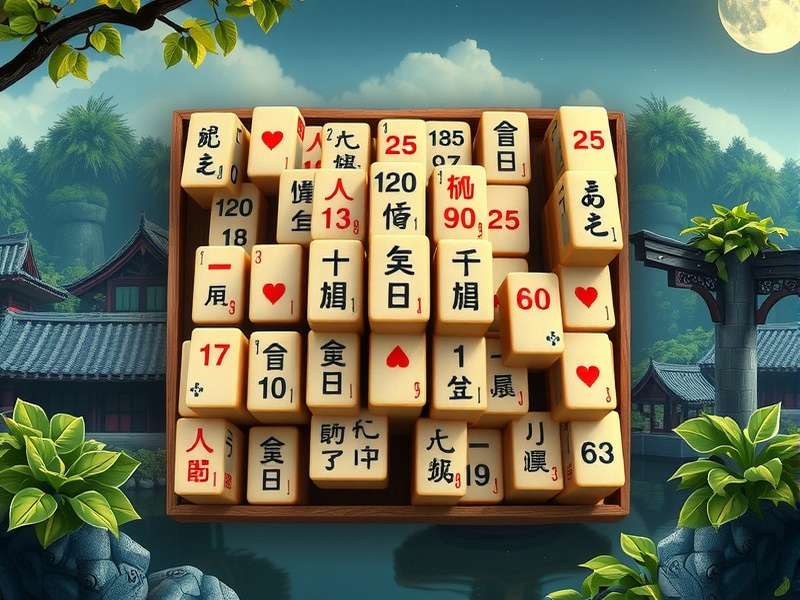
🀄 Understanding the Traditional Mahjong Game
Mahjong is a captivating tile-based game that has been enjoyed for centuries across Asia and, more recently, has found a vibrant community in India. The Traditional Mahjong Game is not merely a pastime; it is a strategic, social, and deeply cultural experience that rewards patience, observation, and tactical thinking. For Indian players, the game resonates with our love for card games like Rummy and Teen Patti, but with a unique tactile and visual dimension that sets it apart.
In its purest form, the Traditional Mahjong Game uses a set of 144 tiles based on Chinese characters and symbols. The objective is to build a complete hand — typically four melds (sets) and a pair — through a combination of skill, luck, and calculated risks. Unlike many modern digital adaptations, the traditional version emphasises face-to-face interaction, reading opponents, and the ritual of tile discarding.
The Core Mechanics of Traditional Mahjong
Every round of the Traditional Mahjong Game begins with shuffling the tiles — a sound that veteran players describe as "the music of the mind." Players then build a wall of facedown tiles, each side of the wall representing a player's starting stack. The dealer, determined by dice roll, begins the draw and discard cycle.
- Tiles: 144 tiles divided into suits (Bamboo, Characters, Dots), Honour tiles (Winds, Dragons), and bonus tiles (Flowers, Seasons).
- Melds: A pung (three identical tiles), a chow (three consecutive tiles in the same suit), or a kong (four identical tiles).
- Winning Hand: 14 tiles forming four melds and a pair — known as Mahjong!
The beauty of the Traditional Mahjong Game lies in its regional variations. In India, many players adopt the Hong Kong or Singapore ruleset, but with local adaptations — for instance, the inclusion of "joker" tiles in some circles, or modified scoring systems that reward aggressive play.
Why Traditional Mahjong is Gaining Popularity in India
From bustling Mumbai game nights to quiet Chennai afternoons, the Traditional Mahjong Game is experiencing a renaissance. Indian players are drawn to its blend of strategy and social connection. Unlike fast-paced mobile games, Mahjong demands focus and presence — a welcome antidote to our always-on digital lives. Local Mahjong clubs have sprung up in Delhi, Bangalore, and Kolkata, with some estimating over 50,000 active players nationwide as of early 2025.
For those looking to transition from digital versions, the Solitaire Mahjong format offers a great solo introduction, while the full Traditional Mahjong Game provides the complete multiplayer experience.
🧠 Mastering Strategy in Traditional Mahjong Game
Winning at the Traditional Mahjong Game is not just about luck — it's about reading the table, managing your hand, and making split-second decisions. Here are exclusive insights from top Indian Mahjong players.
The Art of Discarding
In the Traditional Mahjong Game, what you discard is as important as what you keep. Experienced players use discards to signal strength or weakness, and to mislead opponents. "Your discard pile is your autobiography," says Arjun Mehta, a Mumbai-based Mahjong veteran with over 20 years of experience. "Every tile you throw away tells a story. Learn to tell a false one."
- Safe discards: Honour tiles (Winds, Dragons) are generally safer to discard early.
- Dangerous discards: Tiles that complete a chow or pung for opponents — watch the table!
- Defensive play: If an opponent declares a pung on your discard, switch to defensive mode.
🔥 Pro Tip from the Indian Mahjong Circuit
"In the Traditional Mahjong Game, always keep your hand balanced. Don't commit to a single suit too early — flexibility is your greatest weapon. The best players in Delhi's competitive scene never show their hand until the final move." — Priya Sharma, National Mahjong Championship finalist 2024.
Reading Your Opponents
The Traditional Mahjong Game is a game of information asymmetry. Every tile drawn, discarded, or claimed reveals intent. Top players track which tiles are being picked from the wall and which are being discarded, building a mental map of the remaining pool. In India's growing tournament scene, this skill separates the casual players from the champions.
For those who want to practice online before sitting at a physical table, Mahjong Game 24 7 offers around-the-clock digital play that sharpens your decision-making speed.
Advanced Strategies for Competitive Play
Once you've mastered the basics of the Traditional Mahjong Game, it's time to elevate your play with advanced techniques:
- Tile counting: Track every tile that has been discarded to calculate probabilities.
- Honour tile management: Use Winds and Dragons as both offensive and defensive tools.
- Kong deception: Declaring a kong can shift the game's momentum — use it strategically.
- Pair waiting: Aim for a hand that waits on multiple tiles for a higher win chance.
The Traditional Mahjong Game rewards those who study its depths. Unlike simpler tile-matching games, the traditional format offers infinite variation — no two games are ever the same.
📜 The Rich History of Traditional Mahjong Game
The origins of Mahjong trace back to 19th-century China, during the Qing Dynasty. What began as a pastime among the elite in Shanghai and Beijing gradually spread across the world, reaching India through trade routes and cultural exchange in the early 1900s. Today, the Traditional Mahjong Game stands as a bridge between cultures — a shared language of tiles and tactics.
From Imperial Courts to Indian Homes
Historical records suggest that Mahjong arrived in India via Chinese merchants in Kolkata's Chinatown (Tangra) around the 1920s. The game was quickly adopted by local communities, who blended it with Indian gaming traditions. By the 1950s, the Traditional Mahjong Game had become a staple in clubs and households across the country, particularly among the Bengali and Gujarati communities.
"My grandmother learned Mahjong in the 1940s in Rangoon (now Yangon) and brought it back to Kolkata," shares Ravi Kapoor, a historian of Indian games. "She used to say that the Traditional Mahjong Game taught her patience, strategy, and how to read people — skills she used in every aspect of life."
The Evolution of Mahjong Rules in India
India has developed its own unique flavour of the Traditional Mahjong Game. While Hong Kong-style rules dominate, local adaptations include:
- Indian Scoring System: Points are often calculated using a simplified "paise" (money) system, making it accessible for beginners.
- Joker Tiles: Some Indian circles add 2–4 joker tiles to increase dynamism.
- Time Limits: Competitive Indian Mahjong often uses chess clocks to maintain pace.
These adaptations have made the Traditional Mahjong Game more accessible to new players while preserving its strategic core. For those who prefer a faster-paced variant, Mahjong Connect offers a modern twist on the classic format.
🌏 Cultural Significance of Traditional Mahjong Game in India
The Traditional Mahjong Game is more than just a game — it's a cultural institution. In India, it has become a symbol of community bonding, cross-generational connection, and even cognitive wellness. Senior citizen groups in Pune and Chennai regularly host Mahjong sessions, citing its mental stimulation and social benefits.
Mahjong as a Social Ritual
In many Indian families, the Traditional Mahjong Game is a fixture of festive gatherings. During Diwali, Pongal, and Eid, relatives gather around the Mahjong table for hours of spirited play. The game transcends language and regional barriers — Hindi, Tamil, Bengali, and English flow freely around the table, united by the rhythm of tiles.
"For our family, Mahjong is the glue that holds us together," says Lakshmi Narayan, a 68-year-old player from Bangalore. "Every Sunday, three generations sit down for the Traditional Mahjong Game. My grandchildren are learning strategy, patience, and how to win — and lose — gracefully."
Mahjong and Cognitive Health
Recent studies have highlighted the cognitive benefits of the Traditional Mahjong Game. A 2023 paper published in the Indian Journal of Geriatric Psychiatry found that regular Mahjong play improved memory, attention span, and problem-solving skills in adults over 60. The game's combination of pattern recognition, probability assessment, and social interaction makes it a powerful brain exercise.
For younger players looking to explore the traditional format, Vita Mahjong provides a digital gateway that preserves the essence of the classic game while adding modern convenience.
🤝 The Indian Mahjong Community
India's Mahjong community is growing rapidly, with clubs, tournaments, and online forums connecting players from across the country. The Traditional Mahjong Game has found a new home in the digital age, with WhatsApp groups, Discord servers, and dedicated websites fostering discussion and friendship.
Major Mahjong Events in India
- India Mahjong Championship (IMC): Annual tournament held in Goa, attracting over 200 players from 15 cities.
- Kolkata Mahjong League: One of the oldest continuous Mahjong leagues in Asia, running since 1978.
- Chennai Classic: A weekend-long Traditional Mahjong Game festival featuring workshops and competitions.
These events are a testament to the game's enduring appeal. For those who cannot attend in person, Mahjong Game Asmr offers a unique auditory experience that brings the feel of a real Mahjong table to your ears.
How to Get Started with Traditional Mahjong Game in India
If you're new to the Traditional Mahjong Game, here's your roadmap:
- Learn the basics: Start with our comprehensive guide above, or check out Mahjong How To Play for a step-by-step tutorial.
- Join a club: Search for local Mahjong groups on Meetup or Facebook. Major cities have active clubs.
- Practice online: Platforms like Mahjong Sz offer free play against AI or real opponents.
- Buy a set: Traditional Mahjong tile sets are available on Indian e-commerce sites for ₹800–₹3,000.
The Traditional Mahjong Game is a journey, not a destination. Every game teaches you something new — about the tiles, your opponents, and yourself.
📚 Resources for Traditional Mahjong Game Enthusiasts
To deepen your understanding and enjoyment of the Traditional Mahjong Game, here are curated resources — from books and websites to local clubs and digital tools.
Recommended Books
- "Mahjong: The Art of the Game" by Lily Chen — A beautiful coffee-table book exploring Mahjong's history and culture.
- "Winning Mahjong Strategies" by David Li — Advanced tactics for competitive players.
- "Mahjong for Beginners" by Anita Rao — An Indian author's guide tailored to local players.
Online Resources
- Play Mahjong India — Your hub for everything Mahjong in India.
- Mahjong Solitaire Free Full Screen — A relaxing solo version of the classic game.
- Indian Mahjong Forum (coming soon) — A community space for players to share tips and organise games.
🌟 Community Spotlight
"The Traditional Mahjong Game changed my life. I moved to Bangalore two years ago and knew no one. I joined a Mahjong group, and now I have a family of friends from all over India. The game teaches you to connect — one tile at a time." — Vikram Joshi, 32, software engineer.
The Traditional Mahjong Game is a living tradition, constantly evolving while staying true to its roots. Whether you're a complete beginner or a seasoned player, there's always more to explore. So shuffle the tiles, build your wall, and declare Mahjong!
💬 Share Your Mahjong Experience
We value your voice! Leave a comment, share your story, or rate the Traditional Mahjong Game guide below. Your feedback helps us serve the Indian Mahjong community better.
Leave a Comment
Rate This Guide
Search Mahjong Topics
Looking for something specific? Search our library of Traditional Mahjong Game resources.