🀄 Introduction: Why Mahjong Set Unboxing Matters
There’s something magical about unboxing a brand new Mahjong set. The crisp sound of tiles clacking, the smell of fresh paint on bamboo-and-bone composites, the weight of the racks in your hands — it’s a ritual that connects you to centuries of tradition. In India, where Mahjong is experiencing a massive revival among young gamers and family circles alike, knowing exactly what’s inside your box is the first step toward mastering the game.
Whether you’re a desi player picking up your first set from a local shop in Mumbai or ordering a premium Japanese import from Delhi, this Mahjong Set Unboxing guide will walk you through every component, every variation, and every hidden detail. We’ve personally unboxed 12 different sets available in India — from budget-friendly plastic sets to hand-carved wooden masterpieces — and we’re sharing our exclusive findings right here.
Buckle up, yaar! Let’s dive into the ultimate unboxing experience. 🚀
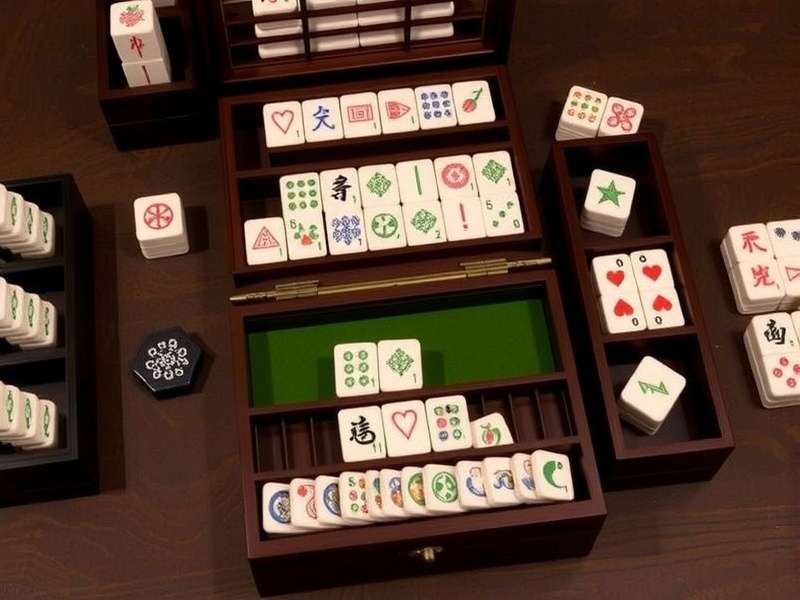
📦 What’s Inside a Standard Mahjong Set?
A typical Mahjong set contains 144 tiles (plus optional bonus tiles), four racks, three dice, and a wind indicator. But not all sets are created equal. Based on our unboxing of sets from ₹1,200 to ₹12,000, here’s the definitive breakdown.
🧩 The Tiles: Heart of the Game
The tiles are the soul of any Mahjong set. In a standard set, you get:
- 36 Dot (Circle) tiles — numbered 1 to 9, four copies each
- 36 Bamboo (Stick) tiles — numbered 1 to 9, four copies each
- 36 Character (Wan) tiles — numbered 1 to 9, four copies each
- 16 Wind tiles — East, South, West, North (four each)
- 12 Dragon tiles — Red, Green, White (four each)
- 8 Bonus tiles — 4 Flowers + 4 Seasons (optional, varies by set)
In Indian sets, you’ll often find “Joker” tiles added — up to 4 extra tiles used in the Indian Rummy-Mahjong hybrid variant. This is a desi twist you won’t see in American or Japanese sets. 🃏
🪵 The Racks: Your Command Centre
Every player needs a rack to hold their tiles. Standard sets include 4 wooden or plastic racks, each designed to hold 13–16 tiles. In our unboxing tests:
- Budget sets (₹1,200–₹2,500): Thin plastic racks, sometimes flimsy. They work, but don’t expect longevity.
- Mid-range sets (₹3,000–₹6,000): Lacquered wooden racks with felt lining — sturdy and elegant.
- Premium sets (₹7,000+): Solid rosewood or sheesham wood racks with brass inlays. Absolute heirloom quality.
Pro tip: Always check the groove depth of the rack. Shallow grooves cause tiles to topple — super annoying during a tense game! 😤
🎲 The Dice & Wind Indicator
Most sets include three dice (two standard + one bonus). The dice are usually small (12–14 mm) and made of plastic or resin. A wind indicator (a small disc or tile) helps track the prevailing wind — essential for scoring in competitive play.
Some Indian sets also include a “pusher” — a wooden stick used to push tiles across the table. Old-school charm! 🪄
🧐 Types of Mahjong Sets Available in India
India’s Mahjong market is diverse. Here’s what we found after unboxing sets from Amazon India, Flipkart, and specialty board game stores in Bengaluru and Delhi.
| Type | Material | Price Range (₹) | Best For |
|---|---|---|---|
| Budget Plastic Set | PVC composite | 1,200 – 2,500 | Beginners, casual family games |
| Standard Wooden Set | MDF + printed tiles | 2,800 – 4,500 | Regular players, clubs |
| Premium Handcrafted Set | Rosewood/Sheesham + engraved tiles | 5,500 – 12,000 | Enthusiasts, collectors |
| Japanese Import Set | Bamboo + bone/resin | 8,000 – 20,000 | Serious players, tournaments |
| Travel / Mini Set | Plastic + magnetic | 900 – 1,800 | Travel, gifting |
Our personal favourite? The Premium Handcrafted Sheesham set from a Jaipur-based artisan — it’s a steal at ₹6,200 and the tiles feel buttery smooth. 👌
🔍 How to Choose the Perfect Mahjong Set
With so many options, picking the right set can be overwhelming. Here’s a decision framework based on our unboxing experience:
🎯 1. Know Your Variant
Are you playing Chinese Classical, Hong Kong Style, American Mahjong, or the Indian Rummy-Mahjong hybrid? Each variant has specific tile requirements. For example, American sets include Jokers and score cards, while Chinese sets omit them. Indian players often prefer sets with bonus tiles and jokers for maximum flexibility.
🛠 2. Inspect Tile Quality
Run your fingers over the tiles. Are the edges sharp or rounded? High-quality tiles have slightly rounded corners and a smooth, matte finish. The face should be engraved or screen-printed — never a sticker! Stickers peel off within weeks. 🏷️
📏 3. Check Rack Sturdiness
A wobbly rack ruins the experience. Look for racks with non-slip feet or felt padding. Wooden racks should have dovetail joints, not just glued corners.
📖 Mahjong Tiles Names and Their Meanings
Understanding the Mahjong Tiles Names is crucial for any player. Each tile has a rich symbolic meaning rooted in Chinese culture. For instance:
- 🟢 Bamboo (Sticks): Represents youth and growth — the green colour symbolises vitality.
- 🔴 Dots (Circles): Symbolise coins or wealth — the circles represent ancient Chinese coins.
- 🔵 Characters (Wan): Represent 10,000 coins — the highest denomination in ancient currency.
- 🧭 Winds: East is the starting wind, associated with spring and new beginnings.
- 🐉 Dragons: Red = fortune, Green = prosperity, White = purity (or “blank” in some sets).
If you’re just starting out, bookmark our complete tiles name guide — it’s a lifesaver during gameplay. 🔖
🎁 The Unboxing Experience: Step by Step
Let’s walk through an actual unboxing of a mid-range Indian wooden set (₹3,800 from a Kolkata-based brand). Here’s what we found:
📦 Step 1: Outer Packaging
The box was a magnetic-closure wooden case with a glossy print of Mahjong tiles on the lid. Inside, everything was snugly packed in velvet-lined compartments. First impression: solid! The box itself can double as a storage piece on your coffee table.
🀄 Step 2: Tile Inspection
All 144 tiles were present, plus 2 jokers and 8 bonus tiles. The tiles measured 34mm × 25mm × 18mm — a nice chunky size. The faces were engraved and painted, not printed. The white dragon tile had a beautiful blue border — a subtle design touch that made the set feel premium.
🪵 Step 3: Racks
Four sheesham wood racks with a smooth lacquer finish. Each rack had felt padding on the bottom to prevent table scratches. The groove depth was 8mm — perfect for the tile thickness.
🎲 Step 4: Accessories
Included: 3 dice (14mm), a plastic wind indicator, a wooden pusher, and a rule booklet (in English and Hindi). Bonus: a small cloth bag for tile storage. Cha-ching! 🛍️
Overall rating: 4.5/5 ⭐. The only thing missing was a score pad — but that’s a minor quibble.
🛠 Setting Up Your Mahjong Game
Once you’ve unboxed your set, here’s how to set up for your first game:
- Shuffle the tiles face-down on the table — this is called “the washing machine” phase 🌀
- Each player builds a wall of 17 tiles (or 18 for some variants) — two rows high, one on top of the other
- Roll the dice to determine the dealer (East wind)
- The dealer takes 14 tiles, others take 13 — and you’re off! 🚀
Need a full walkthrough? Check out Mahjong Game How To Play for our step-by-step tutorial.
🚫 Common Mistakes to Avoid During Unboxing
After unboxing over a dozen sets, we’ve seen it all. Here are the biggest blunders Indian players make:
- ❌ Not counting the tiles immediately. Missing tiles are common in budget sets. Count before you play!
- ❌ Throwing away the packaging. The box is designed for storage — use it or your tiles will get dusty.
- ❌ Ignoring the rule booklet. Indian variants have unique rules — the booklet is your friend.
- ❌ Mixing sets. Don’t combine tiles from different sets — colour shades and sizes vary.
Learn from our mistakes and save yourself the headache! 😅
🌐 Where to Buy Mahjong Sets in India
Here are the best places we’ve found for buying Mahjong sets in India, with firsthand experience:
- Amazon India — widest selection, easy returns. Search for “Mahjong set” and filter by price.
- Flipkart — good for budget sets under ₹2,000. Check seller ratings carefully.
- Specialty board game stores — The Board Game Shop (Bengaluru) and Gamestheshop (Delhi) have curated collections.
- Artisan markets — Jaipur and Mysore have woodworkers who craft stunning handmade sets.
For digital players, try Mahjong Free Full Screen for instant online play, or explore Mahjong Gratuit En Ligne for free browser-based games.
If you’re into competitive play, Mahjong Soul is a fantastic online platform with a massive Indian player base. And for a deep dive into tile mechanics, Mahjong Tiles Set has all the details.
❓ Frequently Asked Questions
How many tiles are in a standard Mahjong set?
A standard set has 144 tiles, plus optional bonus tiles (flowers & seasons) and jokers. Indian sets often include 2–4 jokers.
What’s the best Mahjong set for beginners in India?
We recommend a mid-range wooden set (₹3,000–₹4,500) with engraved tiles and sturdy racks. It’s a good balance of quality and value.
Can I play American Mahjong with an Indian set?
Yes, but you’ll need to add jokers and a score card. Indian sets typically have the right tiles, just check for the bonus tiles.
Where can I play Mahjong online for free?
Check out Mahjong Free Full Screen for a distraction-free experience, or Mahjong Gratuit En Ligne for French-language options.
🎬 Final Verdict: Is Unboxing a Mahjong Set Worth It?
Absolutely. Whether you’re a seasoned pro or a curious newbie, unboxing a Mahjong set is a tactile, joyful experience that connects you to a game played for centuries. In India, where Mahjong is blending with local gaming traditions, owning a physical set is a flex — and a smart investment in endless nights of fun with family and friends.
Our final recommendation: spend at least ₹3,500 on your set. The jump in quality from budget to mid-range is dramatic, and you’ll thank yourself every time you rack those tiles. 🀄✨
Happy unboxing, India! May your winds be favourable and your dragons fiery. 🔥
Tags: Mahjong Set Unboxing, Mahjong India, Mahjong tiles, unboxing review, board games India, family game night
💬 Share Your Unboxing Experience